
Studying in Belgium
Studying in Belgium when you come from abroad.
For a non-EU student, studying in Belgium is prepared through three interlocking procedures on a tight schedule: admission, diploma equivalence and the visa. Here is how they follow one another, and where a mistake costs a year.
Updated on June 19, 2026
In short
A non-EU student aiming for French-speaking Belgium must run three procedures in parallel: obtain an admission in a recognised institution (deadline often set at 31 March for universities), have their diploma recognised through an equivalence with the Fédération Wallonie-Bruxelles (before mid-July), then apply for a type D long-stay visa once the admission is obtained. The visa requires proving means of subsistence of an official amount indexed each year (EUR 1,062 net per month for the 2026-2027 academic year).
Where to start?
By your home country
Admission, equivalence, visa and legalisation: the full pathway for your nationality.
See the countriesBy your university
Real cost, deadline and enrolment steps at Belgium's French-speaking universities.
See the universitiesPractical guides
Appeal after a refusal, equivalence timelines: our step-by-step guides.
See the guidesThe three procedures, in order
These procedures are partly prepared at the same time, but they follow one another according to a precise logic: admission and equivalence are built in spring, the visa is applied for once the admission certificate is obtained.
- 1Admission: lodge your admission or enrolment authorisation application in a recognised institution (university, haute école, higher arts school).
- 2Equivalence: have your secondary school leaving diploma recognised by the Equivalence Service of the Fédération Wallonie-Bruxelles, a condition for university access.
- 3Long-stay visa (type D): once the admission is obtained, build the study visa file at the competent Belgian consular post.
A tight schedule: the deadlines not to miss
Most avoidable refusals come down to a missed deadline. Here are the key windows for a given start of year (2026-2027 academic year dates for illustration; they are set each year, to be checked with each institution and service).
| Procedure | Typical window | To check |
|---|---|---|
| University admission (non-EU) | Form open from mid-February, lodge by 31 March at the latest | Calendar specific to each institution |
| Quota-limited programmes (medicine, dentistry, physiotherapy, veterinary, psychological sciences) | Online registration, typical window from mid-May to early July | Specific non-resident procedure and quotas |
| Secondary diploma equivalence | From mid-November to 15 July (deadline) | Extension possible to 14 September if late proclamation |
| Long-stay visa (type D) | As soon as admission is obtained; legal decision within 90 days | Lodge as early as possible, ideally 6 months before departure |
What budget to plan for the visa?
The student visa requires proving sufficient means of subsistence. The reference amount is set by Royal Decree and indexed each year: for the 2026-2027 academic year, it is EUR 1,062 net per month. Proof can be provided by a blocked account funded with twelve times this amount (that is EUR 12,744) or by a commitment to take charge (Annex 32) signed by a solvent guarantor.
On top of this comes an administrative fee due to the Immigration Office before filing (EUR 251 for public higher education, EUR 242 in other cases, amounts as of 1 January 2026, indexed; minors are exempt), as well as consular fees collected by the post where the application is lodged.
Can you work during your studies?
Yes. A foreign student in regular residence can work up to 20 hours per week outside school holidays (and without limit during the holidays), provided the job remains compatible with their studies. Since 2019, no specific work permit needs to be requested: the right to work flows automatically from the student residence permit.
The journey depending on your country
The main steps are common, but document legalisation and the visa filing centre change depending on the country of origin. Our country guides detail these specifics.
From a non-EU country
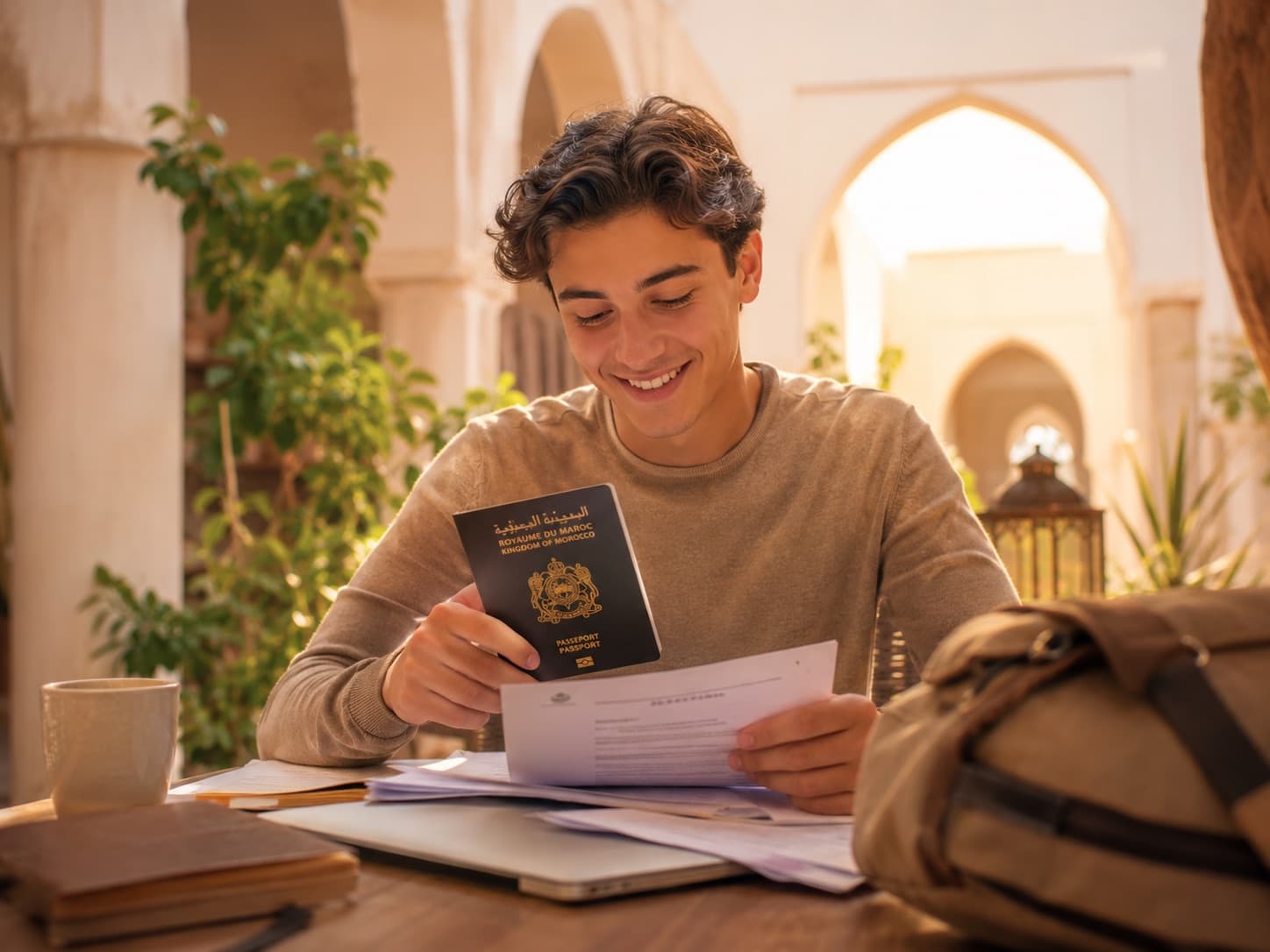
Studying in Belgium from Morocco
Study in Belgium from Morocco: admission, equivalence of the Moroccan baccalaureate, student visa at TLScontact Rabat and apostille. A clear 2026 guide.
See the journey
Studying in Belgium from Tunisia
Study in Belgium from Tunisia: admission, equivalence of the Tunisian baccalaureate, student visa at TLScontact Tunis and apostille. A clear 2026 guide.
See the journey
Studying in Belgium from Algeria
Study in Belgium from Algeria: admission, equivalence of the Algerian baccalaureate, student visa at TLScontact Algiers and legalisation. A clear 2026 guide.
See the journey
Studying in Belgium from Senegal
Study in Belgium from Senegal: admission, equivalence of the Senegalese baccalaureate, student visa at TLScontact Dakar and apostille. A clear 2026 guide.
See the journey
Studying in Belgium from Cameroon
Study in Belgium from Cameroon: admission, diploma equivalence, student visa at TLScontact Yaoundé, VIABEL interview and legalisation. A clear 2026 guide.
See the journey
Studying in Belgium from Ivory Coast
Study in Belgium from Ivory Coast: admission, baccalaureate equivalence, student visa at VFS Global Abidjan and legalisation. A clear 2026 guide.
See the journey
Studying in Belgium from Lebanon
Study in Belgium from Lebanon: admission, equivalence of the Lebanese diploma, student visa at TLScontact Beirut and legalisation. A clear 2026 guide.
See the journey
Studying in Belgium from Egypt
The complete journey to study in Belgium from Egypt: admission, diploma equivalence, student visa at TLScontact Cairo, document legalisation. Updated for 2026.
See the journey
Studying in Belgium from India
The complete journey to study in Belgium from India: admission, diploma equivalence, student visa at VFS Global, document apostille. Updated for 2026.
See the journey
Studying in Belgium from the DR Congo
Study in Belgium from the DR Congo: admission, diploma equivalence, student visa at the European Visa Centre in Kinshasa and legalisation. A clear 2026 guide.
See the journey
Studying in Belgium from Iraq
Study in Belgium from Iraq: admission, diploma equivalence, student visa at TLScontact (Baghdad, Erbil, Mosul) and legalisation. A clear 2026 guide.
See the journey
Studying in Belgium from Gabon
Study in Belgium from Gabon: admission, diploma equivalence, student visa at the Belgian embassy in Yaoundé and legalisation. A clear 2026 guide.
See the journey
Studying in Belgium from Congo-Brazzaville
Study in Belgium from Congo-Brazzaville: admission, equivalence, student visa at the European Visa Centre in Kinshasa and legalisation. A clear 2026 guide.
See the journey
Studying in Belgium from Mali
Study in Belgium from Mali: admission, diploma equivalence, student visa at the Capago centre in Ouagadougou (Belgian embassy) and legalisation. A clear 2026 guide.
See the journey
Studying in Belgium from Guinea
Study in Belgium from Guinea (Conakry): admission, diploma equivalence, student visa at TLScontact Dakar and legalisation. A clear 2026 guide.
See the journey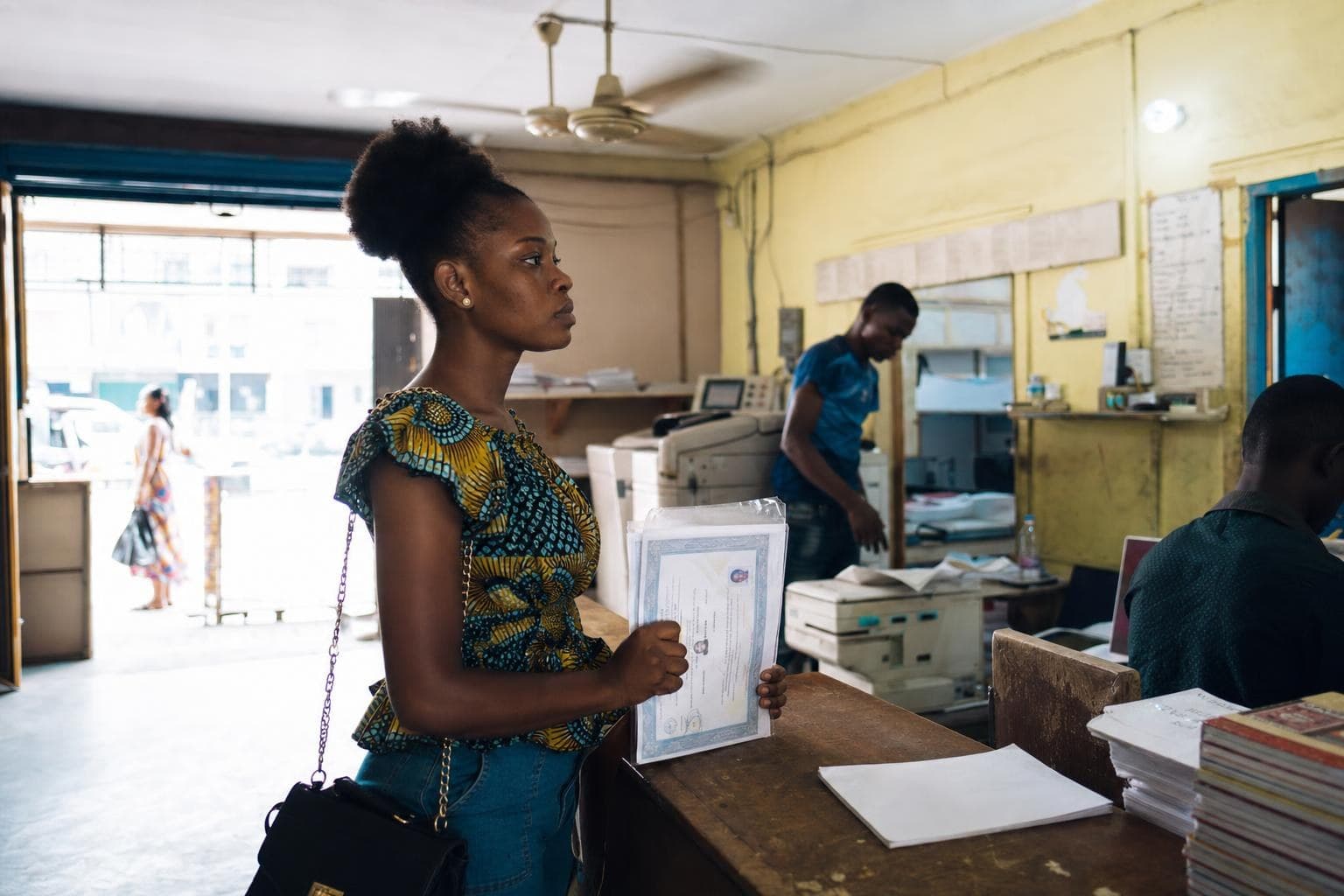
Studying in Belgium from Benin
Study in Belgium from Benin: admission by 31 March, EUR 150 equivalence, type D visa at VFS Global Abidjan, legalisation in Cotonou. 2026-2027 guide.
See the journey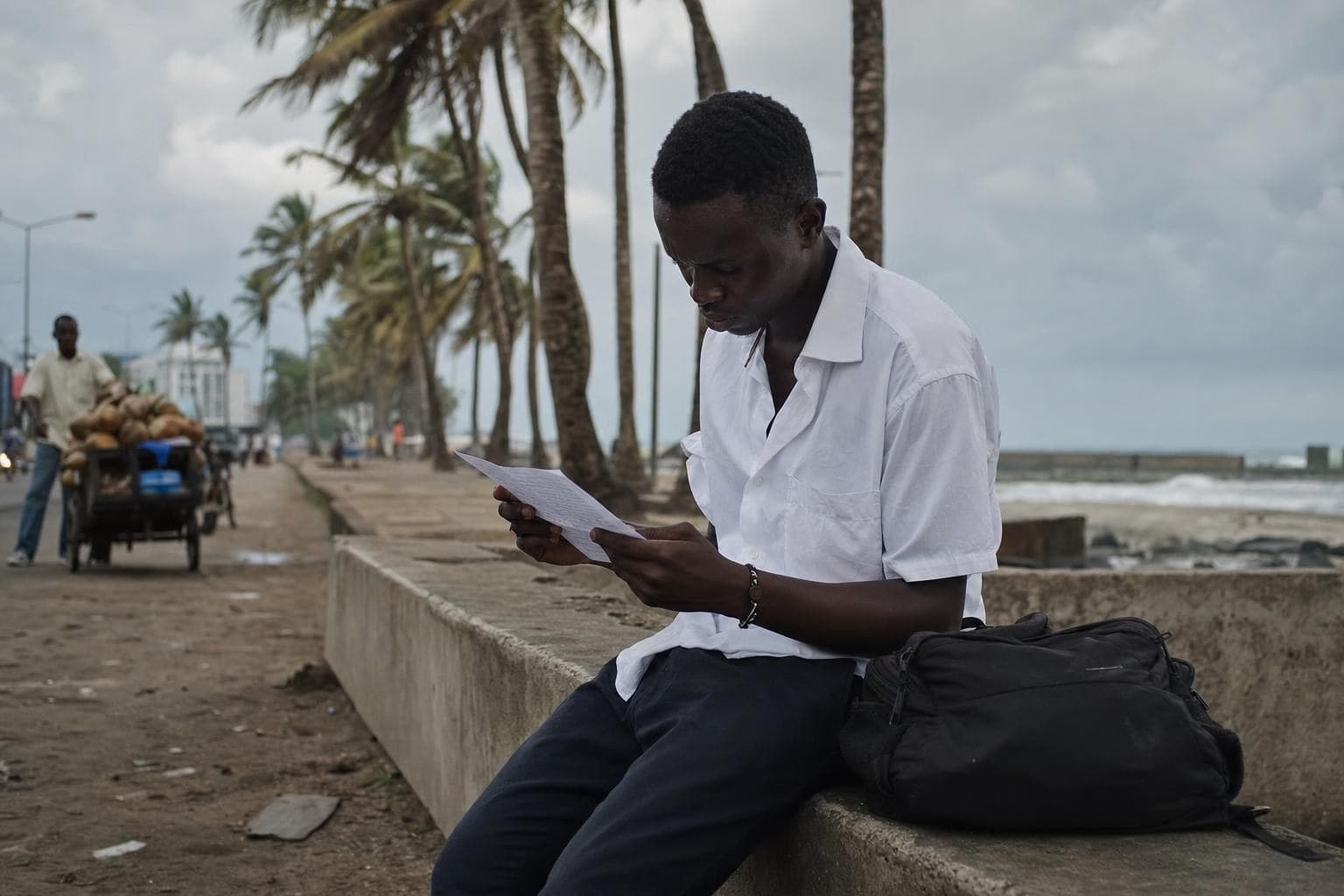
Studying in Belgium from Togo
Study in Belgium from Togo: admission by 31 March, EUR 150 equivalence, type D visa lodged in Abidjan, legalisation at the Lomé consulate. 2026-2027 guide.
See the journey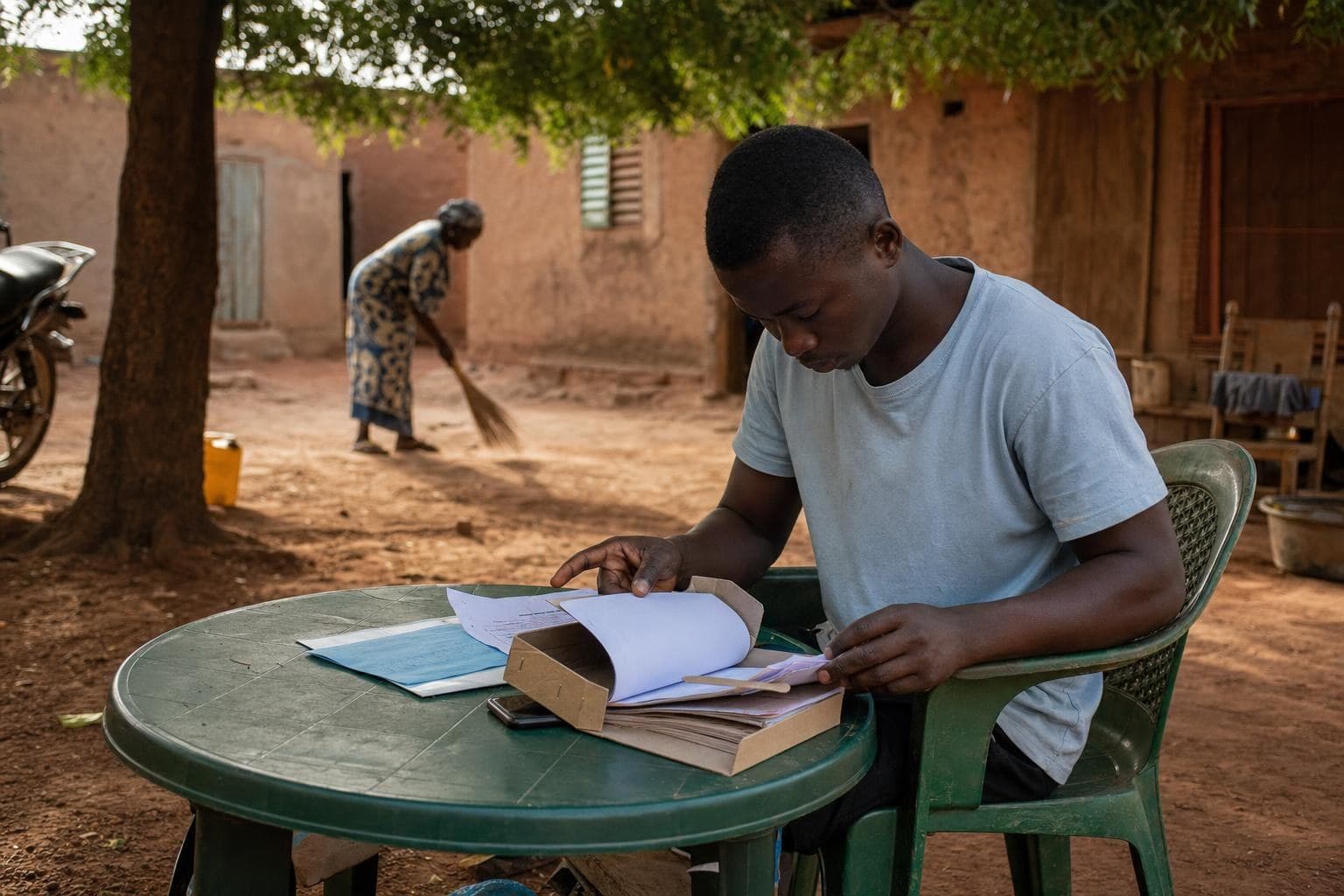
Studying in Belgium from Burkina Faso
Study in Belgium from Burkina Faso: admission by 31 March, EUR 150 equivalence, type D visa at the Capago centre in Ouagadougou, legalisation. 2026-2027 guide.
See the journey
Studying in Belgium from Rwanda
Study in Belgium from Rwanda: admission by 31 March, EUR 150 equivalence, type D visa to be lodged at TLScontact Nairobi, apostille. 2026-2027 guide.
See the journey
Studying in Belgium from Burundi
Study in Belgium from Burundi: admission by 31 March, EUR 150 equivalence, type D visa lodged at the embassy in Bujumbura, apostille. 2026-2027 guide.
See the journey
Studying in Belgium from Madagascar
Study in Belgium from Madagascar: admission by 31 March, EUR 150 equivalence, type D visa at TLScontact Nairobi, legalisation. 2026-2027 guide.
See the journey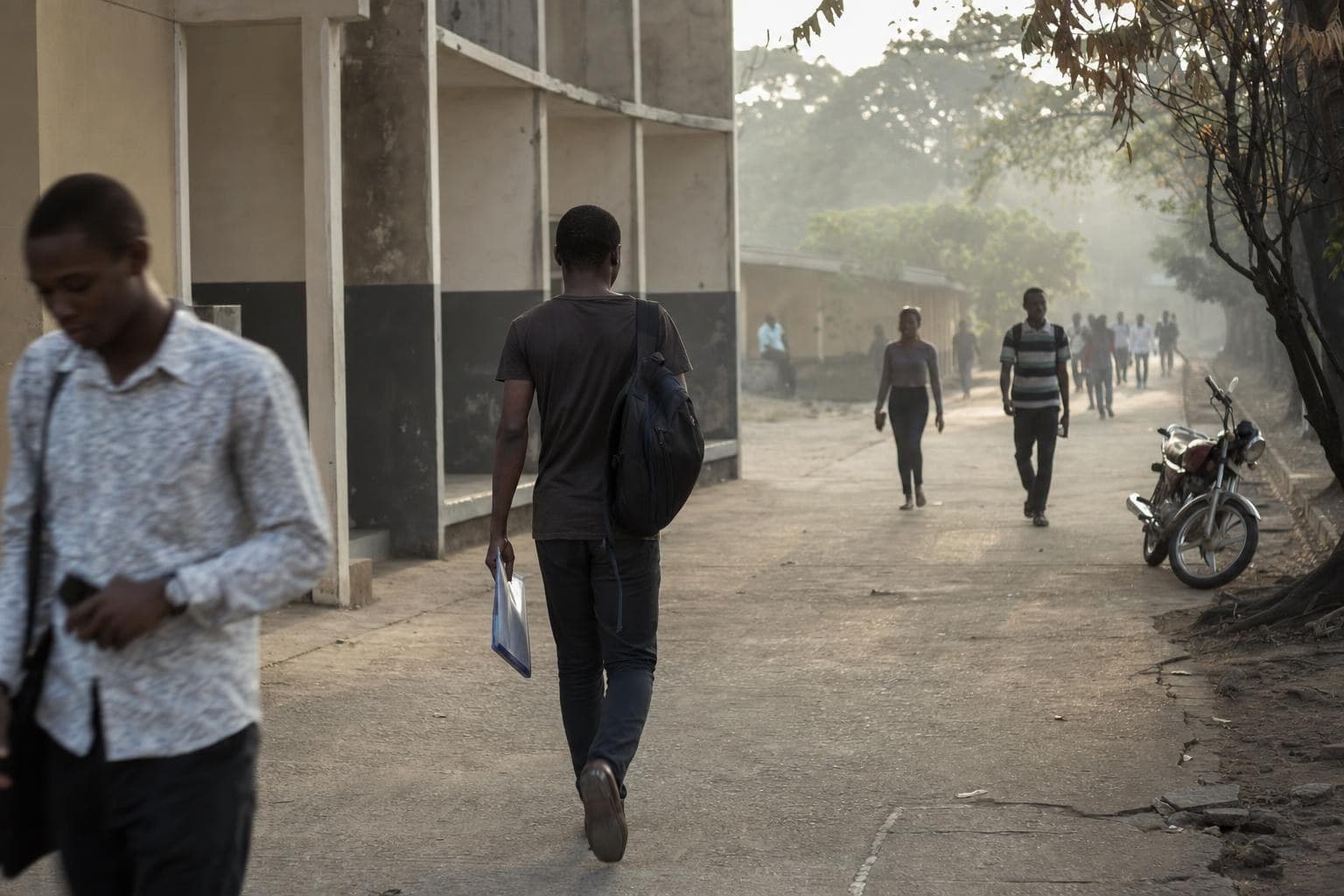
Studying in Belgium from Nigeria
Study in Belgium from Nigeria: admission by 31 March, WASSCE equivalence at EUR 150, type D visa at TLScontact Abuja or Lagos. A 2026-2027 guide.
See the journey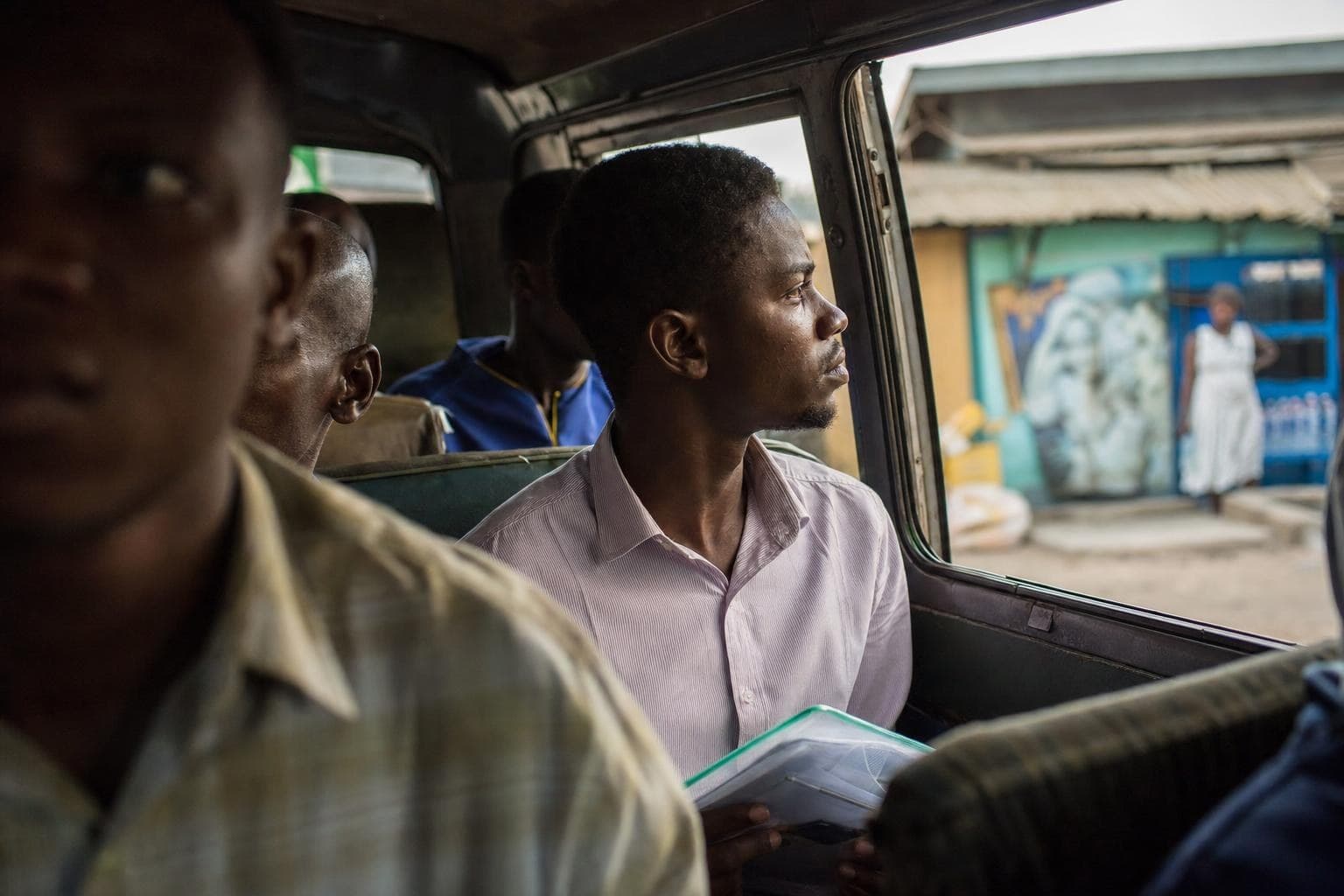
Studying in Belgium from Ghana
Study in Belgium from Ghana: admission by 31 March, WASSCE equivalence at EUR 150, type D visa filed in Abidjan, legalisation in Accra. A 2026 guide.
See the journey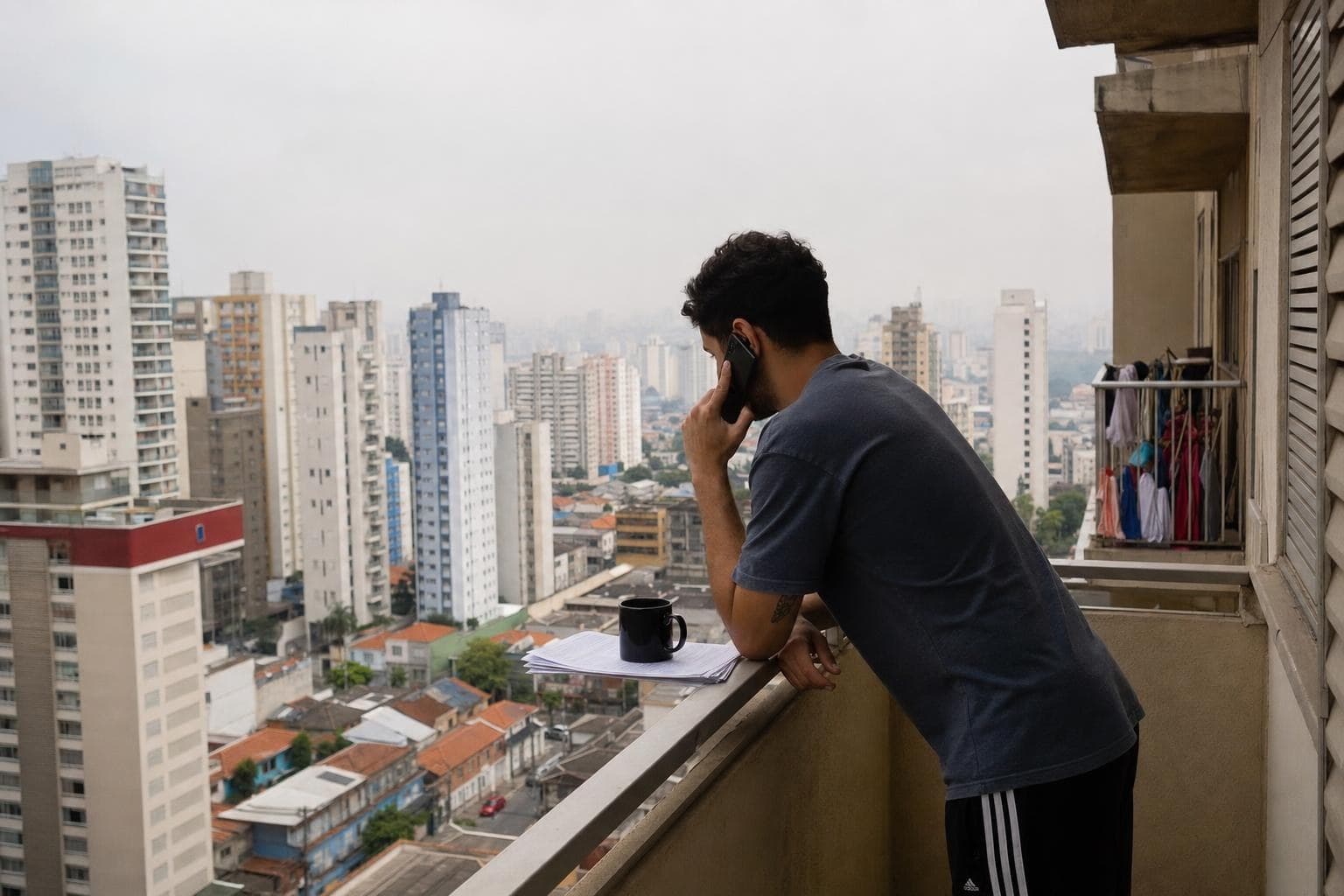
Studying in Belgium from Brazil
Study in Belgium from Brazil: admission by 31 March, equivalence at EUR 150 with the ENEM, type D visa in São Paulo, apostille. A 2026-2027 guide.
See the journey
Studying in Belgium from Iran
Study in Belgium from Iran: admission by 31 March, equivalence at EUR 150 with translation, type D visa at VFS Global Tehran. A 2026-2027 guide.
See the journey
Studying in Belgium from Syria
Study in Belgium from Syria: equivalence at EUR 150, type D visa at TLScontact Beirut, legalisation in four stages, ARES exemption. A 2026-2027 guide.
See the journey
Studying in Belgium from China
Study in Belgium from China: admission by 31 March, EUR 150 equivalence, APS certificate, consular questionnaire, type D visa at VFS Global. A 2026-2027 guide.
See the journey
Studying in Belgium from Vietnam
Study in Belgium from Vietnam: admission by 31 March, EUR 150 equivalence, type D visa at VND 7,750,000, apostille from 11 September 2026 onwards.
See the journey
Studying in Belgium from the United Kingdom
Studying in Belgium from the UK: type D visa at TLScontact, EUR 250 visa fee, EUR 251 administrative fee, A-level equivalence, FCDO apostille, minerval.
See the journey
Studying in Belgium from Niger
Study in Belgium from Niger: admission by 31 March, EUR 150 equivalence, type D visa at the Capago centre in Ouagadougou, classic legalisation. 2026 guide.
See the journey
Studying in Belgium from Chad
Since 1 September 2026, Chadian type D visas and legalisations go through TLScontact Yaoundé. Admission by 31 March, EUR 150 equivalence. 2026-2027 guide.
See the journey
Studying in Belgium from Mauritania
Study in Belgium from Mauritania: type D visa lodged at TLScontact Dakar, admission by 31 March, EUR 150 equivalence, legalisation without apostille. 2026 guide.
See the journey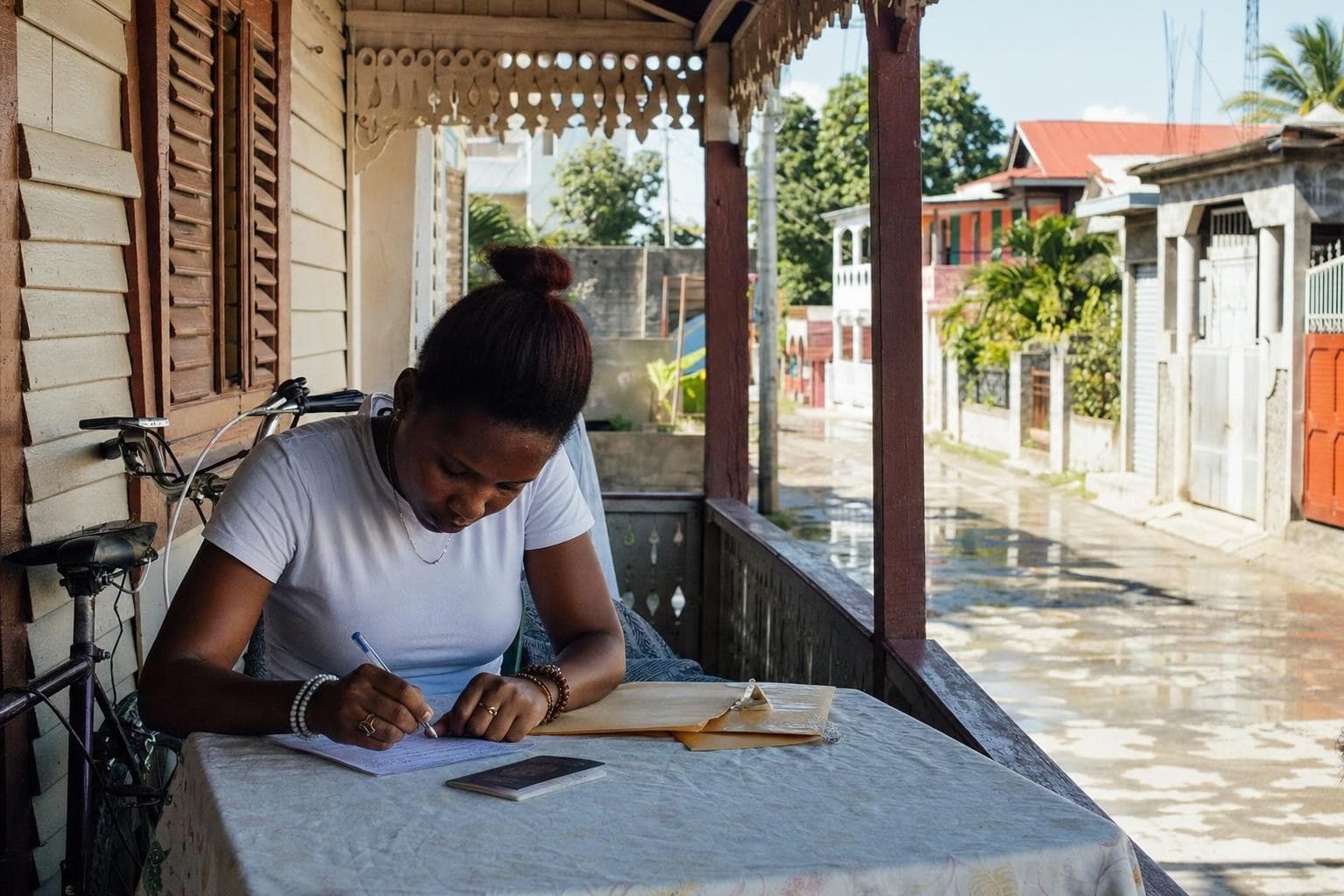
Studying in Belgium from Haiti
Study in Belgium from Haiti: admission by 31 March, EUR 150 equivalence, type D visa at the Belgian Embassy in Panama City, chain legalisation. 2026 guide.
See the journey
Studying in Belgium from Türkiye
Study in Belgium from Türkiye: admission by 31 March, EUR 150 equivalence with apostille and sworn translation, type D visa at VFS Global. 2026-2027 guide.
See the journey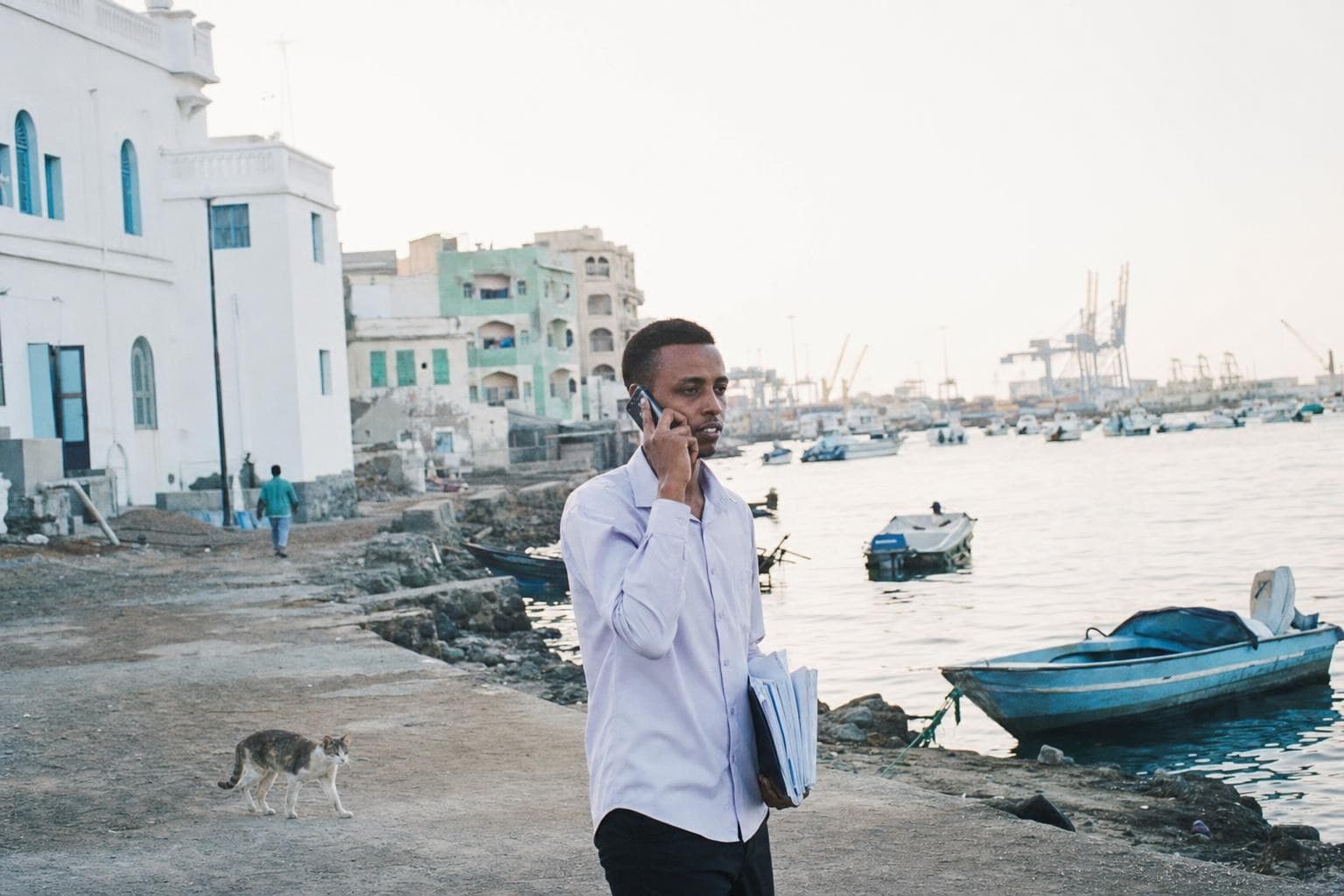
Studying in Belgium from Djibouti
Study in Belgium from Djibouti: admission by 31 March, EUR 150 equivalence, type D visa lodged at TLScontact Addis Ababa, chain legalisation. 2026-2027 guide.
See the journey






















From the European Union and Switzerland

Studying in Belgium from France
Study in Belgium as a French citizen: no visa, but the non-resident quota and draw for capped programmes, baccalauréat equivalence and minerval.
See the journey
Studying in Belgium when you come from the European Union
Study in Belgium as an EU, EEA or Swiss citizen: no visa, registration with the commune, non-resident quota for capped programmes, equivalence and minerval.
See the journey
Studying in Belgium from Italy
Studying in Belgium as an Italian: no visa, equivalence of the Esame di Stato diploma at EUR 400, minerval of EUR 1,194, non-resident quota. 2026-2027 guide.
See the journey
Studying in Belgium from Spain
Studying in Belgium as a Spaniard: no visa, título de Bachiller to be recognised (EUR 400), apostille, minerval of EUR 1,194, non-resident quota. 2026 guide.
See the journey
Studying in Belgium from Portugal
Studying in Belgium as a Portuguese citizen: no visa, equivalence of the secondary diploma (EUR 400), minerval of EUR 1,194, non-resident quota. 2026 guide.
See the journey
Studying in Belgium from Luxembourg
No visa, but a EUR 400 equivalence for the secondary school leaving diploma, a minerval of EUR 1,194, the non-resident quota and the medicine agreement.
See the journey
Studying in Belgium from Germany
No visa, but the Abitur goes through a EUR 400 equivalence, the Fachhochschulreife is checked case by case, minerval EUR 1,194 and non-resident quota.
See the journey
Studying in Belgium from the Netherlands
Studying in French-speaking Belgium as a Dutch national: no visa, VWO or HAVO equivalence at EUR 400, minerval EUR 1,194, non-resident quota, Benelux.
See the journey
Studying in Belgium as a Romanian citizen
Studying in Belgium as a Romanian citizen: no visa, annexe 19 within 3 months, bacalaureat equivalence at EUR 400, minerval EUR 1,194, non-resident ceiling.
See the journey
Studying in Belgium as a Polish citizen
Studying in Belgium as a Polish citizen: no visa, annexe 19 within 3 months, matura to be translated, equivalence EUR 400, minerval EUR 1,194, 30% ceiling.
See the journey
Studying in Belgium as a Greek citizen
Studying in Belgium as a Greek citizen: no visa, annexe 19 within 3 months, apolytirio to be translated, equivalence EUR 400, minerval EUR 1,194, 30% ceiling.
See the journey
Studying in Belgium as a Swiss citizen
Studying in Belgium as a Swiss citizen: no visa and no administrative fee, but, failing individual assimilation, non-EU registration fees (EUR 1,194 plus EUR 4,175).
See the journey






Official sources
Information verified against official Belgian sources. Procedures, amounts and dates change every year, so always check the date before acting.
FAQ
Frequently asked questions
Do you need the equivalence before the admission or the other way around?
What amount must be justified for the student visa?
How long does a student visa application take?
From which countries do you support students?
Ready to launch your project?
First conversation free, no commitment. We review your situation and orchestrate all the procedures, right up to your arrival.